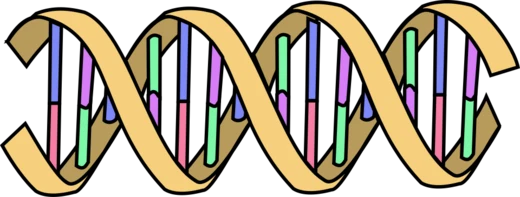
Cellular differentiation
Process where stem cells become specialized cell types.

Cellular differentiation, also known as cellular specification, is the process by which a stem cell changes from one type to a more specialized type. This process is fundamental to the development of multicellular organisms, transforming a simple zygote into a complex system of tissues and cell types, and continues in adulthood during tissue repair and normal cell turnover. Differentiation dramatically alters a cell's size, shape, membrane potential, metabolic activity, and responsiveness to signals, largely through highly controlled modifications in gene expression, a subject of epigenetics.
- field
- Developmental biology, cell biology
- known_for
- Process by which stem cells become specialized cell types
- key_concepts
- Totipotent, pluripotent, multipotent, oligopotent, unipotent cells; terminal differentiation; dedifferentiation
- associated_mechanisms
- Gene regulatory networks, signaling pathways, epigenetics
- related_structures
- Blastocyst, inner cell mass, ectoderm, mesoderm, endoderm
Lore & Background
Differentiation involves a switch from one pattern of gene expression to another, controlled by gene regulatory networks and signaling pathways. A specialized type, terminal differentiation, occurs in tissues like the vertebrate nervous system and striated muscle, where a precursor cell permanently leaves the cell cycle and expresses genes characteristic of its final function. Dedifferentiation, a process where a differentiated cell reverts to an earlier developmental stage, is seen in basal life forms like worms and amphibians, often as part of regeneration, and also occurs in plant cells. The molecule reversine has been shown to induce dedifferentiation in myotubes, which can then redifferentiate into other cell types.
Reader's Guide
Cellular differentiation is a cornerstone of developmental biology and regenerative medicine. Its significance lies in explaining how a single fertilized egg gives rise to the diverse cell types of a complex organism, and how this process is maintained in adulthood for tissue repair and renewal. The concept of cell potency—from totipotent to unipotent—provides a framework for understanding developmental potential and has direct applications in stem cell research. The discovery that virally induced expression of four transcription factors (Oct4, Sox2, c-Myc, and Klf4) can create induced pluripotent stem (iPS) cells from adult fibroblasts has revolutionized the field, offering potential for disease modeling and therapy. In cytopathology, the level of cellular differentiation is used as a measure of cancer progression, with 'grade' indicating how differentiated a tumor cell is. The study of differentiation also intersects with epigenetics, as changes in gene expression occur without altering the DNA sequence itself. However, the article notes that some researchers view cellular differentiation as the result of a Darwinian selective process among cells based on stochastic gene expression, rather than solely as a product of gene regulatory networks, indicating ongoing debate in the field.
Did You Know?
- Cellular differentiation almost never involves a change in the DNA sequence itself, with a few exceptions.
- In mammals, only the zygote and subsequent blastomeres are totipotent, capable of forming all cell types including placental tissue.
- The molecule reversine, a purine analog, has been shown to induce dedifferentiation in myotubes, allowing them to redifferentiate into osteoblasts and adipocytes.
- Virally induced expression of four transcription factors—Oct4, Sox2, c-Myc, and Klf4—is sufficient to create pluripotent iPS cells from adult fibroblasts.
Frequently Asked Questions
Who is Cellular differentiation?
It is the developmental process in which a relatively unspecialized stem cell transitions into a more specific cell type, fundamentally reshaping its size, shape, metabolic behavior, and responsiveness to external signals. This mechanism is what allows a single fertilized egg to give rise to the full array of tissues in a multicellular organism.
What are Cellular differentiation's powers or role?
Its core function is the tightly regulated rewiring of gene expression—driven by epigenetic modifications, gene regulatory networks, and signaling pathways—that permanently reprograms a cell's identity. It governs the progression from totipotent through pluripotent, multipotent, and oligopotent stages down to terminal, unipotent cell types.
How does Cellular differentiation's story end?
In its most definitive form, the process reaches terminal differentiation, where a cell locks into a fixed specialized state and generally loses the capacity to divide further. However, the broader narrative continues throughout adult life, as ongoing differentiation sustains tissue repair and routine cell turnover.
Why is Cellular differentiation important?
Without it, a zygote could never become a structured multicellular body with distinct ectoderm, mesoderm, and endoderm lineages, and adult organisms would lack the ability to heal wounds or replace worn-out cells. It is therefore a cornerstone of both developmental biology and cell biology.
What key concepts or 'allies' does Cellular differentiation work with?
Its main collaborators include epigenetic mechanisms, gene regulatory networks, and extracellular signaling pathways that collectively decide which genes are activated or silenced. The structural landmarks it helps build span the blastocyst, the inner cell mass, and the three germ layers—ectoderm, mesoderm, and endoderm.
More in Cellular Biology 1-23
Spotted an error? Know more?
This is a living reference — every entry is fact-audited, and reader corrections feed straight into our audit queue. Suggest an edit · See this site's audit record